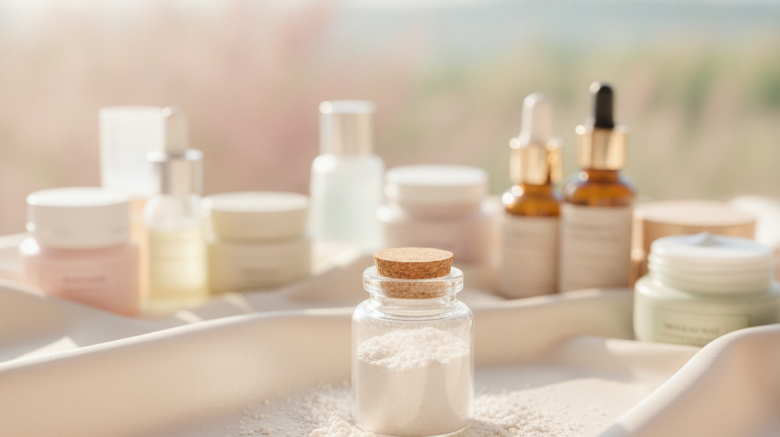
Over 68% of consumers now prefer cleaner anti-aging solutions. They want formulas that combine both topical and inside-out results. The shift is renewing the fresh wave of interest in hydrolyzed pearl powder. It combines ancient traditions with new production methods, making it a natural skincare ingredient. It is commonly chosen for mature-looking skin, dullness, and sensitivity effectively.
Superfine Pearl Powder
Water Soluble Pearl Powder
Hydrolyzed Pearl Powder
In this guide, we walk through what hydrolyzed pearl powder is, along with its beauty-related benefits. The article also explains how to select reliable and tested options. The guide explains why water soluble and nano formats enhance absorption and preserve nutrients. We also highlight MIGU Pearl Powder Manufacture and its Deya cultivation base. The company supports traceable pearl and shell materials, supported by over two decades and more of experience.
For U.S. readers evaluating inside-out beauty ingredients, this guide offers clear advice. The discussion includes cosmetic use, supplement-style use, and what separates different grades of pearl powder. The comparison covers nano pearl powder, ultrafine pearl powder, and water-dispersible pearl powder.
Important Points
- Advanced pearl powder brings together heritage wellness practices with contemporary manufacturing for enhanced dispersion.
- The cosmetic advantages of pearl powder include age-supportive, brightening, and soothing effects for daily skincare.
- Pearl powder in skincare can be applied externally or taken orally depending on product form.
- MIGU Pearl Powder Manufacture and the Deya breeding base offer sourcing transparency and manufacturing expertise.
- Select water soluble or nano pearl powder for better dispersion.
What Is Hydrolyzed Pearl Powder And How It’s Made
Hydrolyzed pearl powder describes a specially prepared form of pearl material. It is created to increase solubility and uptake for skin and supplement applications. Manufacturers offer it in various forms, including nano pearl powder and superfine pearl powder, it caters to different formulation goals. Common formats include serums and masks to wellness formulas.
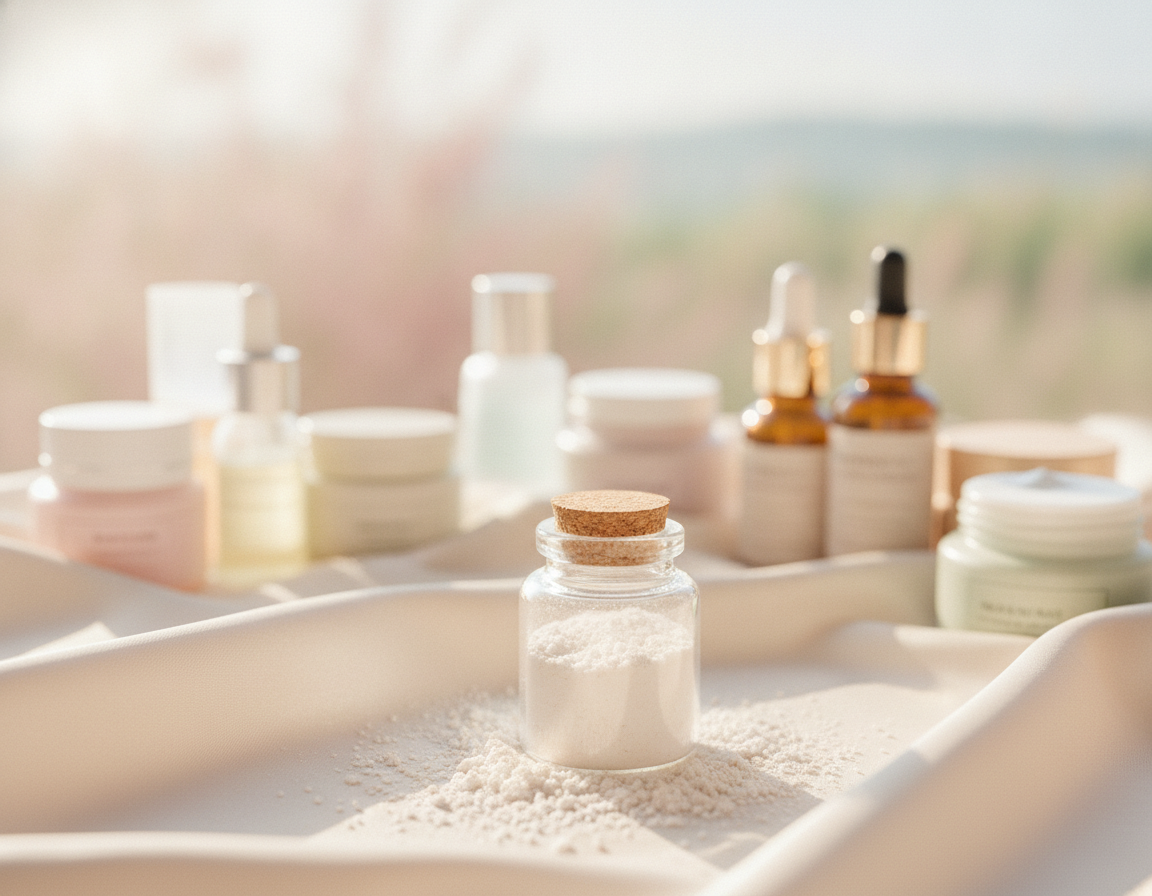
At MIGU Pearl Powder Manufacture, the company supervises a integrated pearl supply chain. Sourcing begins at the Deya pearl breeding base, leveraging over a quarter-century of experience. Its breeding network includes pearls in multiple Chinese provinces including Anhui, Hunan, Hubei, and Jiangxi. The network provides a steady supply of raw materials. The yearly production volume of pearls, shells, and related products is approximately 5,000 tons, enabling bulk manufacturing.
The plant relies on an temperature-controlled physical process. The process breaks down pearls into ultrafine and nano ranges without harsh chemical breakdown. One 6 mm pearl may be reduced into approximately 216 trillion-plus particles. That creates consistent nano-grade pearl powder in the 40–100 nm range and sub-nano grades for greater dispersibility. The method helps preserve amino acids and trace minerals, strengthening the dispersibility of water-dispersible pearl powder.
Quality control is a major focus, handled through an on-site R&D lab. The laboratory uses modern analytical tools for rigorous testing. Available systems include HPLC, UPLC, GC-MS, ICP-MS, HPTLC, and microbiology suites. The systems help verify the finished Hydrolyzed Pearl Powder and superfine pearl powder meet high production standards. The products are designed to align with multiple regulatory categories in different regions.
The right grade depends based on formula type. Nano forms work well for rapid absorption and skin-focused delivery. Superfine pearl powder is suitable for rich creams and facial masks. Hydrolyzed water-friendly forms suit aqueous serums and beverages. Clear labeling, batch testing, and traceability from the Deya base to MIGU Pearl Powder Manufacture help ensure reliable quality and safe supply for manufacturers and formulators.
Pearl Powder Beauty Benefits For Skin
Pearl powder has long been a valued ingredient in beauty traditions and modern skincare. It’s rich in skin-supporting amino acids, trace minerals, and naturally occurring bioactives. This profile can contribute to skin vitality. It appears in radiance-focused daily routines and mature skin formulas.
Anti-Aging Skin Support
Pearl powder contains useful components for collagen and tissue repair. Superfine and nano-grade options ensure smooth spread, contributing to better absorption. This enhances visible skin-smoothing benefits, softening fine lines and supporting skin elasticity.
Brightening And Tone-Evening
Pearl powder’s mineral and amino acid profile boost skin radiance and surface radiance. Water soluble pearl powder blends evenly in cream bases, gels, and serums, supporting an even tone. It can be a valuable addition to radiance formulas and tone-evening skincare.
Soothing And Repair
Traditionally, pearl powder calms redness-prone skin and supports barrier renewal. The fine texture plus retained bioactives are helpful in sensitive skin. As part of soothing skincare, it helps soften visible redness and promotes a more resilient barrier.
Topical Formats And Practical Notes
Superfine and water soluble pearl powders support separate formulation goals. Paste treatments often use fine-textured pearl material mixed with traditional carriers like honey or aloe. By contrast, serums and creams usually benefit from hydrolyzed pearl powder to avoid residue. The right product grade impacts spreadability, absorption, and routine outcomes.
Traditional Uses And Health Benefits Of Pearl Powder
Pearl powder is often viewed as a bridge between traditional remedies and contemporary wellness products. This section delves into its supplement-style use, historical medicinal applications, nutrient preservation through nano processing, and intake considerations for those considering pearl powder.
Internal Pearl Powder Use
Historically, oral use of pearl powder is a recognized practice for beauty and calm. Now, consumers can find pearl powder in various forms, including soft capsules or tablets, powder for teas, milk, or drinks, and under-the-tongue formats. Historical serving ranges are often cited as 0.3–0.6 g daily, taken as a general tonic.
Oral pearl powder routines often seek to support skin health from within. Beginners often start with pre-measured capsules or a labeled serving in non-acidic beverages. Always check the product label for serving size and respect the label directions.
Traditional And Medicinal Shell Powder Uses
Classical medicine has used pearl and shell powder for nervous tension, uneasy heartbeat sensations, and sleep issues in both adults and children. Herbalists and practitioners of traditional Chinese medicine have used pearl or shell powders into formulas. They are used in relation to traditional heart-spirit concerns and calming needs.
Older household practices remain, with practitioners mixing powdered shell to calming decoctions. Scientific interpretations are not uniform, so individuals with diagnosed conditions should consult a healthcare professional before adding these materials to a routine.
Nutritional And Bioactive Profile
The pearl matrix contains a broad combination of skin-supporting amino acids, calcium compounds, and trace minerals. Testing may show small peptides and active natural fractions that can contribute to complexion health and internal wellness. The company’s ultra-low-temperature nano method aims to protect these nutrients.
Particle-reduction methods that bring material down to roughly the 40–100 nm range enhance dispersion and absorption. This approach strengthens claims about the benefits of pearl powder by preserving delicate compounds and delivering a more refined and bioavailable ingredient.
Recommended Intake And Safety
Testing by product grade is essential for oral products. Reliable manufacturers conduct heavy-metal testing, pesticide residue checks, and microbiology checks to meet regulatory standards. MIGU’s testing protocols include these analytics to support purity, consistency, and safety.
Older dosage references provide a useful benchmark: 0.3 to 0.6 grams daily for broad tonic use. Today’s formulas may list different amounts based on concentration and formulation. People who are pregnant or breastfeeding, and those with ongoing medical issues or on regular medications, should check with a healthcare professional before adding oral pearl powder to a routine.
| Category | Traditional Practice | Current Guidance |
|---|---|---|
| Form | Loose powder used sublingually or blended into teas | Capsules, pre-measured sachets, and under-the-tongue formats |
| Common historical serving | 0.3–0.6 g daily | Follow manufacturer guidance; serving sizes differ by product |
| Traditional claims | Calming use and traditional support for palpitations | Skin-health support and mineral-focused supplementation |
| Main nutrients | Calcium, amino acids, trace minerals | Similar nutrients, with nano processing potentially supporting retention and uptake |
| Safety screening | Older sourcing and preparation approaches | Heavy metals, pesticide residue, microbial screening, content assays |
Safe And Effective Ways To Use Hydrolyzed Pearl Powder
Hydrolyzed pearl powder is versatile for skin and wellness routines. The following guidance offers tips for skin-applied blends, supplement-style routines, ingredient pairings, and shelf-life care. The advice provides easy-to-follow pointers to start confidently and avoid common mistakes.
For topical use, pair the powder’s particle feel and water compatibility to your product type. Use superfine or nano pearl powder in masks to reduce roughness. In leave-on products and clear formulas, choose water-dispersible pearl material for a smoother finish with less residue.
Start with low concentrations. Blend 0.5–2% by weight into cream bases, gels, or lotions and try on a small area of skin. For rinse-off treatments, blend one to three teaspoons with aloe, honey, or yogurt to create a spreadable paste. If irritation appears, stop use and speak with a dermatologist.
For supplement-style use, follow the manufacturer directions and serving guidance. Traditional servings note about 0.3–0.6 g per dose. Modern products vary, so check the product label and stay within recommended amounts without medical advice.
Sublingual placement under the tongue can increase absorption. Mixing pearl powder into mild warm drinks is another traditional option. Skip boiling liquids that could damage delicate compounds. If you use medicine, herbs, or supplements should speak with a clinician before starting oral pearl powder.
Pearl powder pairs well with many popular cosmetic ingredients. Use alongside vitamin C for tone-enhancing routines and hydrating hyaluronic acid for plumper-looking skin. Use peptide serums with nano pearl powder to support delivery in fast-absorbing products.
Exercise care when layering alongside high-strength skincare. If you use retinoids, acids, or strong exfoliating products, apply pearl-containing products on separate days or apply sparingly to lower irritation risk. Use hydrolyzed water soluble pearl powder for serum formulas that include vitamin C to keep clarity and dispersion consistent.
Proper storage matters. Keep jars sealed in a low-humidity area away from heat and sun exposure. Many powders remain usable for one to two years depending on manufacturing method and preservatives. Check manufacturer guidance for exact shelf life and discard if it develops an unusual odor or discoloration.
Select the proper grade for each use. Select nano pearl powder for formulas that need quick uptake and a cleaner finish. Choose ultrafine pearl powder for masks and exfoliating applications where a slight texture is useful. Hydrolyzed pearl powder and water soluble pearl powder work well in liquid and emulsion systems that require smooth dispersion.
| Use Case | Recommended Grade | Typical Concentration | Practical Tips |
|---|---|---|---|
| Serums and clear solutions | Water-dispersible and hydrolyzed pearl grades | 0.5 to 2% | Supports smooth dispersion and clarity; works with vitamin C or hyaluronic acid |
| Rinse-off masks | Ultrafine pearl powder | About 1–5%, depending on mask base | Blend with aloe, yogurt, or honey for smoother texture and hydration |
| Oral supplementation | Hydrolyzed or nano pearl powder | Traditional 0.3–0.6 g range, but follow directions | Use under the tongue or in mild warm drinks; ask a healthcare professional first |
| Lightweight absorption-focused blends | Nano pearl powder | 0.5–2% | Useful in light formulas needing fast uptake and low residue |
Choosing Quality Pearl Powder Products
Finding a reliable pearl powder depends on careful comparison. Choose products that identify hydrolyzed pearl powder, nano-grade pearl powder, superfine pearl powder, or water soluble pearl powder. These terms indicate grade, format, and formula purpose. Choose the form that matches your goal: nano grades for uptake, superfine grades for masks and paste products, and water soluble for serums and beverages.
Supplier credibility matters. Prioritize manufacturers with a longstanding background and trackable breeding bases. MIGU Pearl Powder Manufacture is notable for a long record and Deya breeding base operations. Manufacturers that disclose processing methods, yearly capacity, and sourcing locations is generally easier to trust than those with generic marketing claims.
Reliable product claims require documentation. Request or review Certificates of Analysis that include heavy metals screening, pesticide residue analysis, and microbiology results. Analytical reports listing ICP-MS, HPLC, or GC-MS give clearer proof of purity and consistency.
Deciding where to buy pearl powder depends on your needs. For wholesale, OEM, or private-label needs, buying directly from a producer often offers better pricing and easier access to documentation. For single-unit retail purchases, choose reputable online shops or established cosmetic suppliers that provide CoAs, labels, and ingredient disclosures.
When evaluating options, review this checklist:
- Claim clarity: hydrolyzed pearl powder or water soluble pearl powder explicitly named.
- Particle information: nano-grade products should state approximate size data.
- Independent or documented testing: metals, microbes, and residues should be verified.
- Manufacturing clarity: source base, technology, and production scale should be explained.
- Label use cases: topical or oral instructions and recommended dosages.
| Buying Factor | What To Look For | Why This Matters |
|---|---|---|
| Pearl Powder Type | Hydrolyzed pearl powder, nano pearl powder, superfine pearl powder, water soluble pearl powder | Helps match the product to skincare, supplement, or formulation needs |
| Supplier | Traceable manufacturers such as MIGU PEARL POWDER MANUFACTURE with breeding bases | Proven supply chain lowers contamination risk and ensures consistent quality |
| Testing | Certificates of Analysis with ICP-MS, HPLC, GC-MS, and microbial reports | Supports safety, purity, and compliance needs |
| Purchase Channel | Direct manufacturer, reputable retailers, established cosmetic suppliers | Manufacturer sourcing fits bulk buyers, while retailers suit personal use |
| Label Transparency | Full ingredients, grade information, and intended-use guidance | Helps match product to intended routine and prevents misuse |
Anyone searching for high-quality pearl powder should put first sourcing transparency plus available test data. If you are unsure where to buy pearl powder, start with suppliers that share batch testing or respond clearly to quality questions. This approach reduces risk and helps secure a product that meets your skin or supplement goals without guesswork.
How Pearl Powder Types Compare
When choosing a pearl powder type, it’s essential to consider texture, solubility, and historical purpose. The processing method significantly influences the product’s mouthfeel, blendability, and bioavailability for oral routines. Here are detailed comparisons to support a smarter buying decision.
How Particle Size Affects Absorption
Nano-grade pearl powder may fall in the range of roughly 40–100 nanometers, is designed for quicker uptake through the topical and sublingual pathways. Ultra-low-temperature physical nano processing ensures the retention of proteins, minerals, and delicate nutrients. This method also minimizes particle clustering.
Superfine pearl powder, with larger particles, sits more superficially on the skin. It is useful in masks that create a noticeable texture and gentle exfoliation. However, it does not support rapid systemic absorption.
Differences In Use And Performance
Water soluble and hydrolyzed pearl powder types dissolve in water-based liquids, gels, and serums. They integrate evenly, help improve glow, and fit age-supportive skincare when placed in skincare products. Supplements using hydrolyzed pearl powder focus on improved bioavailability for oral use.
Shell powder remains connected to traditional medicine for its traditional soothing properties. Practitioners may include it in clinical or historical recipes where the full shell composition are part of the desired formula purpose.
Common Use Cases
- Anti-aging skincare: nano or water soluble pearl powder works in creams and serums for resilience and collagen-focused support.
- Radiance support: nano and water soluble powder fit light serums and masks for glow and tone-evening benefits.
- Internal health: measured pearl powder supplements or medicinal shell powder used as calming tonics in traditional practice.
- Textural products: superfine pearl powder for masks, scrubs, and formulations where surface action is desired.
How Price Relates To Quality
The Deya breeding base and MIGU’s large production capacity support lower costs by using large-volume production and supply-chain oversight. That can make advanced nano and hydrolyzed pearl powder grades more accessible than small-batch alternatives.
When comparing price and quality, it’s vital to compare testing documentation and manufacturer statements. High-quality, ultra-fine nano grades and carefully tested hydrolyzed pearl powder often cost more. That pricing reflects their validated safety and performance.
Final Thoughts
Hydrolyzed Pearl Powder, available in superfine, nano, and water soluble options, may offer several advantages for the complexion and broader wellness. Its anti-aging effects, skin brightening, and soothing properties are well-documented. Those advantages are strongest when sourced from transparent, thoroughly tested products.
When searching for high-quality pearl powder, focus on suppliers with a track record of quality and testing. MIGU PEARL POWDER MANUFACTURE, backed by the Deya cultivation base and modern nano-processing technology, supports large-scale production and rigorous laboratory screening. This approach guarantees a traceable pearl-based cosmetic ingredient, helping improve confidence and product performance.
A safe pearl powder routine requires following the recommended application guidelines. Users should also review testing documents for purity concerns and consult a healthcare professional before oral use. Searching with terms including hydrolyzed pearl powder, nano-grade pearl powder, and ultrafine pearl powder can help find tested and trustworthy products.
Related: Water Soluble Pearl Powder For Climate-Adaptive Beauty